Los Angeles has the kind of climate that invites you outside for at least nine months of the year. When evenings are mild and weekday dinners slip into lingering conversations, a well-planned outdoor kitchen stops being a luxury and becomes a part of daily life. Over the last decade building and designing these spaces across the city, I’ve watched a clear set of features rise to the top. The best projects respect microclimate and views, solve for smoke and wind, and balance showpiece appliances with the less glamorous details that make a space hold up to heavy use.
Below is a practical tour of what LA homeowners are choosing, hardscaping tips why those choices make sense here, and where it pays to invest. I’ll weave in real budget ranges, planning notes specific to our region, and a few quiet trade-offs to consider before you break ground.
Why outdoor kitchens have momentum in LA right now
The draw is part lifestyle, part value. Buyers increasingly look for what feels like a complete resort experience at home, which is one reason outdoor kitchens often appear in guides like How to Design a Backyard That Increases Property Value and 15 Luxury Backyard Ideas Inspired by Southern California Living. Add the rise of pizza-making culture, the swing toward low-water landscapes, and a design shift toward indoor-outdoor continuity, and you get a category that keeps evolving. In 2026 trend roundups, the most notable shift isn’t bigger grills, it’s smarter, more climate-resilient layouts with attention to drainage, shade, and all-season usability.
Built-in grills remain the anchor
If the outdoor kitchen had a heartbeat, it would be the grill. Built-in gas grills between 36 and 42 inches still dominate. Anything smaller feels cramped once you’re cooking for more than four people; anything larger often eats up counter space you’ll miss. LA homeowners typically choose natural gas when a line is accessible. It lowers fuel costs over time and avoids hauling tanks.
Where homeowners sometimes get tripped up is BTU inflation. A 70,000 to 85,000 BTU grill with quality burners and a reliable rotisserie is more than enough for most. If you plan to sear steaks at restaurant-level heat, opt for a dedicated sear zone rather than chasing an oversized main grill. For hillside homes in Wind Exposure C pockets or where Santa Ana winds can whip through, wind shields or locating the grill in a leeward corner matters as much as the brand badge.
Side burners, power burners, and the wok question
Secondary burners are custom landscaping services no longer an afterthought. A standard side burner suits sauces and corn on the cob. A power burner steps up for paella pans, crab boils, and wok cooking. If you stir-fry often, select a unit with a recessed ring to cradle a round-bottom wok. One caveat: these burners can spit grease and steam. Keep them a foot or more away from vertical surfaces, and plan for a splash-ready countertop. In smaller kitchens, a single, strong power burner is often more useful than two weaker side burners.
Pizza ovens take center stage without stealing the show
Wood-fired pizza ovens are here to stay, but hybrid models that run on gas with an option for wood chunks are gaining. They heat faster on weeknights and still deliver wood-kissed flavor on weekends. A mid-size dome oven, 28 to 32 inches, feels right for most LA backyards. Larger ovens become space hogs and take longer to heat, which discourages spontaneous use.
Placement matters. A pizza oven radiates heat from the arch, so don’t point it at a lounge set or a glass slider. On a view lot, tuck the oven so the dome frames, not blocks, the vista. Anyone working from a smaller yard can consider portable steel ovens on a built-in landing; they cook beautifully and free up space when not in use. If you are exploring broader entertainment ideas, many of the 12 Fire Pit Designs Perfect for Southern California Entertaining play nicely with pizza nights, as long as circulation paths stay clear.
Refrigeration that earns its keep
Under-counter refrigerators sound obvious, yet they split opinion when budgets tighten. In LA, where afternoons can stretch late and guests linger, they earn their spot. Look for outdoor-rated units with locking doors and 24-inch depth so they sit flush in a 30-inch-deep cabinet run. Drawer fridges are convenient for kids and cocktail setups. If you entertain big, a separate beverage center reduces traffic at the main fridge.
Ice makers are loved until they aren’t. Outdoor units require a drain line and scale management, especially in neighborhoods with hard water. If you’re short on square footage or wary of maintenance, a covered ice bin paired with regular bagged ice is a simpler path.
Storage, doors, and the never-ending battle with dust
LA’s dry months bring dust, pollen, and ash from distant brushfires that find their way into anything not sealed. Soft-close drawers with gasketed faces help, as do magnetic closures on access doors. Put a full-height storage cabinet near the grill for grates and a cleaning kit. Avoid deep, dark caverns that swallow tools; shallow pullouts keep essentials in reach. A trash and recycling combo pullout is worth the space, and a paper towel drawer might be the most appreciated small luxury in the whole build.
Countertops that actually last here
Porcelain slabs keep gaining share because they check practical boxes. They shrug off heat, red wine, lemon juice, and UV better than most natural stones. If you love the depth of granite or quartzite, pick a dense option like Black Mist, Viscount White, or Taj Mahal quartzite, and seal on schedule. Concrete tops fit modern homes and handle heat, but they need proper steel reinforcement, a UV-stable sealer, and a tolerance for patina and hairline crazing. If you live near the ocean, salt air will rough up polished surfaces over time, so lean toward honed or leathered finishes.
A 36-inch working counter height suits most people for prep. If you add a bar ledge, set it at 42 inches so stools slide neatly, and keep at least 12 inches of knee overhang.
Shade and structures: pergolas, roofs, and the right kind of cover
The sun angle in late afternoon can turn a gorgeous kitchen into a space you avoid. That’s why more projects integrate shade structures from the start, not as an afterthought. Louvered pergolas are popular because they adjust with the day and close during a rare rain. Fixed pergolas with polycarbonate or standing seam roofs offer reliable coverage and better smoke relief if you leave the perimeter open. Tie pergola posts into the kitchen layout so columns do not land right where a cook needs to move.
If you are choosing between a custom deck and a pergola for the next upgrade, think function first. Decks solve grade changes and expand usable area, while pergolas extend comfort and protect finishes. Many of the 10 Pergola Ideas That Transform Outdoor Living Spaces pair cleanly with small to mid-size kitchens on narrow lots.
Fire features that complement, not compete
Grills already bring flame to the party. When homeowners add fire features, it works best at a little distance. Linear fire tables along a low wall define the lounge zone without smoking out the cook. Wood-burning fire pits look right in canyon settings but check local restrictions and be mindful of ember risk during dry, windy spells. Gas fire bowls, hooked to the same line as the grill, offer a cleaner option with hidden controls.
Ventilation and smoke management for a city with wind moods
Outdoor hoods make sense when a grill sits under a roof or in a corner that traps smoke. Aim for 1200 CFM or higher and a hood that overhangs the grill opening by 3 inches on each side. If the grill lives out in the open, skip the hood and solve with placement. Set the grill so prevailing breezes carry smoke away from doors and windows. On coastal properties, sea breezes can flip in the evening; a simple wind baffle behind the grill can save dinners and neighbor relations.
Surfaces underfoot that handle heat, grease, and red wine
The best surface is grippy when wet and forgiving when you drop a glass. Concrete pavers and porcelain pavers are the current workhorses. They resist stains and offer an enormous design range, which is why they dominate 15 Stunning Paver Patio Ideas for Los Angeles Homes. Travertine gets slick and can pit in salt air. Natural slate can flake. If you love stone, choose a dense limestone or quartzite with a brushed finish. Pitch the patio slightly, 1 to 2 percent, to move water away from cabinets and doors.
For driveways that tie into the same style vocabulary, many clients look to 15 Modern Driveway Design Ideas to Improve Curb Appeal or 12 Driveway Paver Patterns That Never Go Out of Style. Cohesive hardscape language makes the entire property feel intentional.
Lighting that sets the mood and makes work safer
Layer task lighting, ambient glow, and a few accents. Dimmable LED strips under the counter lip outline the workspace without glare. Recessed downlights in a pergola wash the grill and prep zones. A couple of low-voltage path lights on the approach keep steps honest. Under-cabinet lights belong outdoors too, provided they’re rated and shielded. The payoff is big. A thoughtful plan draws on the same reasoning used in 10 Benefits of Installing Landscape Lighting Around Your Home, but scaled to the task at hand.
Sinks, faucets, and what kind of plumbing you actually need
A bar sink near the beverage zone makes rinsing glasses easy. A larger prep sink by the grill cuts trips inside. Outdoor-rated faucets with a pull-down spray head handle big cutting boards and wok pans. Plan a proper drain, not just a dry well. In hillside neighborhoods or older parts of the city, confirm tie-in points early so you avoid rework later. If full plumbing is out of scope, at least run a stub-out and leave access, so you can add a sink later without tearing up finishes.
Smart controls and easy rituals
The smartest outdoor kitchens get used without friction. Wireless speakers are convenient, but built-in zones tied to an app avoid dead batteries and keep the counter clean. Smart lighting scenes, a timer for the perimeter lights, and a switch labeled grill lights near the grill handle the little rituals. Gas shutoff valves should be quick to reach. Weatherproof outlets for a blender or pellet smoker save headaches. Simple wins when you are juggling steaks and conversation.
Drainage: the unglamorous detail that saves projects
Even a drizzle can find its way under cabinets if you set the kitchen on a dead-level pad. Give the patio a gentle pitch away from the house, cut a channel drain where water naturally wants to cross, and route to an approved discharge point. If you are dealing with a slope, borrow from Everything You Need to Know About French Drains and Yard Drainage. Perforated drains behind any uphill retaining wall relieve hydrostatic pressure and protect the structure. It is not flashy, but on a hard rain day you will be glad you planned for water.
Material choices that shrug off coastal air
Salt air accelerates corrosion. Choose 304 or 316 stainless appliances, with 316 preferred if you are truly ocean-close. Powder-coated aluminum cabinets hold up very well and come in finishes that mimic wood without the maintenance. If you prefer masonry surrounds, use corrosion-resistant fasteners and isolate dissimilar metals to avoid galvanic reactions. These details extend the life of doors, drawers, and hinges more than any cleaning routine ever could.
Drought-wise planting and heat-aware layout
While a kitchen is hardscape-heavy, the planting around it sets the tone and controls microclimate. Drought-tolerant choices from The Best Plants for Low-Water Landscapes in Los Angeles do double duty. Upright rosemary, manzanita, and dwarf olive hedge heat and wind while keeping irrigation needs low. Climbing vines on a trellis diffuse sun and soften walls. Artificial Turf vs Natural Grass: Which Is Better for Los Angeles Properties offers a good thought exercise near a kitchen. Synthetic turf wins under heavy foot traffic and around grease-prone zones, as long as you protect it from high heat sources and choose a cooler-blade product. Natural grass cools the area but asks for more water, which many homeowners want to avoid.
Layouts that circulate and cook well
The three patterns that work repeatedly in LA backyards are a straight run against a low wall, an L-shaped corner that hugs a patio edge, and a compact U for serious cooks who want everything at reach. In smaller yards, keep circulation clear from house to lounge to dining. Avoid backing the grill directly into a seating area where smoke or heat can linger. A clear 42 inches behind bar stools prevents collisions between guests and the cook. Corners need lighting and an outlet so those zones do not die at night.
Hillsides demand structure and a plan
Much of Los Angeles sits on slope. Building a kitchen on a hillside patio calls for more than pretty renderings. You are often tying into a retaining wall, a deck over piers, or a combination. Retaining Walls Explained: When Does Your Property Need One? And The Complete Guide to Hillside Landscaping in Los Angeles dive into the big picture, but at kitchen scale, make sure footing details, waterproofing, and weep systems are part of the drawing set. Weight matters. Heavy masonry islands on a deck require load calculations, not guesses.
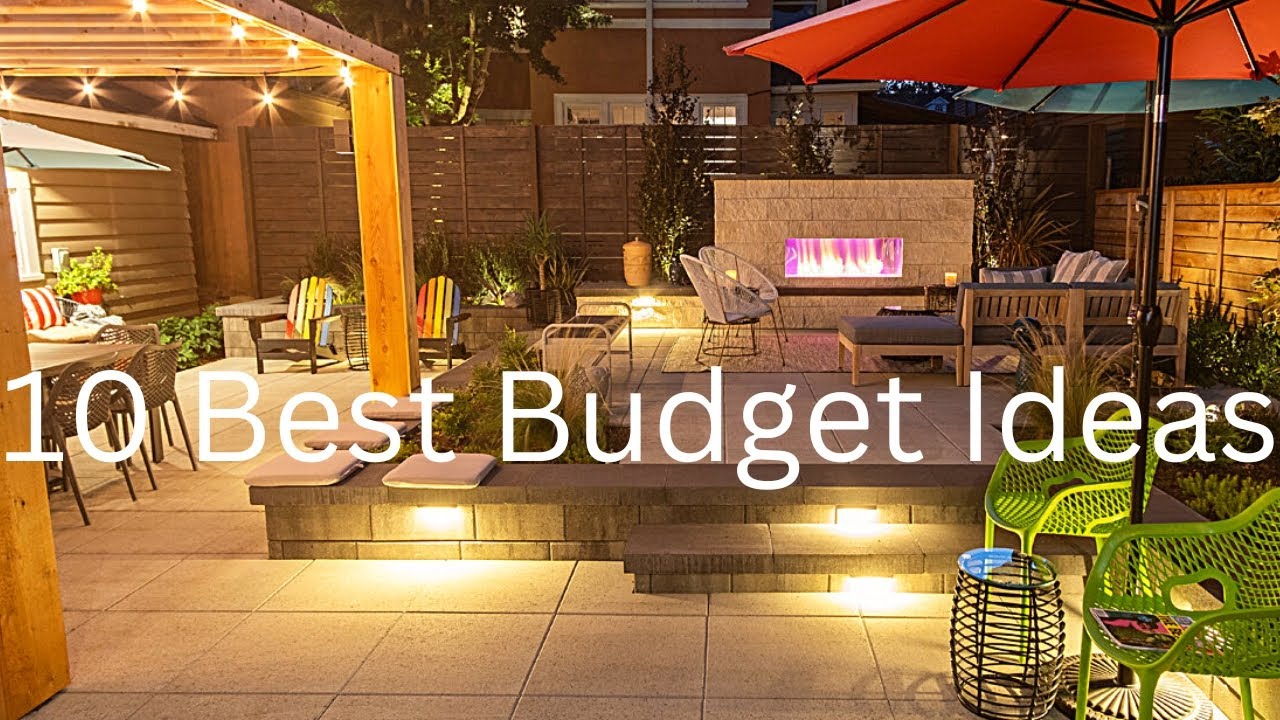

What it costs to build in Los Angeles
Costs vary by access, utilities, and finish level, but there are reliable brackets. Homeowners ask this constantly, which is why you see entire pieces like How Much Does a Custom Outdoor Kitchen Cost in Los Angeles? Here’s a concise snapshot.
- Streamlined build with a 36-inch grill, 8 to 10 feet of counter, porcelain pavers, gas and electric close by, and basic storage: roughly 20,000 to 35,000. Mid-range kitchen with a 42-inch grill, power burner, fridge, sink with drain tie-in, 14 to 18 feet of counter, louvered pergola, layered lighting, and porcelain or quartzite tops: roughly 45,000 to 85,000. High-end build with custom masonry, 316 stainless appliances, pizza oven, ice maker with dedicated drain, beverage center, smart lighting and audio, large pergola with heaters, and integrated drainage: roughly 95,000 to 200,000 plus.
Permitting and trades have real impact. A new gas run over distance with trenching, concrete saw cuts, and street tie-ins can add five figures on its own. On tight lots, craning materials adds costs you do not see coming until a site walk.
Permits, codes, and HOA realities
Within city limits and across local jurisdictions, gas and electrical work typically require permits. If you are adding a solid roof, expect a structural review. Setbacks near property lines, particularly on narrow lots, can affect where your island lands. If you’re in a Very High Fire Hazard Severity Zone, be prepared for rules around spark arrestors and distances to structures or combustible surfaces. HOAs take interest in venting, visual massing, and nighttime lighting brightness. Bringing a builder who knows your city’s playbook moves the process faster than any design flourish.
The small-yard playbook
Not every LA home has a sweeping backyard, and that’s fine. Some of the most functional outdoor kitchens live on 10 by 14 foot patios. A compact 30 to 36 inch grill, a single power burner, a drawer fridge, and 6 to 8 feet of counter form a tight, responsive setup. Skip the bar ledge, which eats floor space. Use a slim pergola with a retractable canopy, and lean on lighting to expand evening use. When space is tight, many of the 10 Ways to Make a Small Backyard Feel Larger apply: sightlines, scaled furniture, and lighter hardscape colors earn tangible comfort.
Mistakes worth avoiding
Every year I fix a few beautiful kitchens with nagging flaws that could have been avoided. The pattern is consistent enough that it belongs here for quick reference.
- Putting the grill where smoke blows into the house, then adding a hood that doesn’t fix it. Skimping on counter length. Anything under 6 feet feels cramped when plating dinner. Forgetting a landing zone beside hot appliances, which encourages unsafe moves. Choosing indoor-rated fridges or non-UV-stable countertops and watching them fail. Ignoring drainage and ending up with puddling or cabinet toe-kicks soaking in storms.
Those five points also appear, in spirit, in 10 Mistakes Homeowners Make When Designing an Outdoor Living Space. The fix is early planning and a few disciplined measurements.
Tying the kitchen into the rest of the yard
Think of the kitchen as the anchor, not the entire show. If you are also planning a pool or spa, study The Ultimate Guide to Poolside Landscaping in Los Angeles to balance wet zones with cooking zones. If a new dining terrace is on the docket, Designing the Perfect Outdoor Dining Area for California Living offers proportion guidance that prevents overcrowding. Landscape lighting brings the whole composition to life, and a simple water feature from 12 Backyard Water Feature Ideas for Los Angeles Homes can soften the mechanical feel without stealing space.
Where a design-build approach adds value
Outdoor kitchens look simple until you stack the layers: grading, drainage, utilities, structure, masonry, metalwork, appliances, finishes, lighting, and HOA or city approvals. Teams that work design-build keep those lines tight. Firms like Ridgeline Outdoor Living have published planning resources, such as Ridgeline Outdoor Living’s Guide to Outdoor Kitchen Planning and How Ridgeline Outdoor Living Creates Custom Outdoor Spaces in Los Angeles, that show how sequencing and site realities shape results. The payoff is budget control and fewer surprises, which matters when so many trades touch a single project.
A quick planning checklist before you commit
- Confirm utilities and distance to tie-ins for gas, water, drain, and electrical. Map sun, wind, and neighbor sightlines to place the grill and pizza oven wisely. Choose appliances first, then build the cabinetry and counters around them. Allocate storage and landing zones beside every hot or wet station. Decide on shade and lighting early, so posts, footings, and wiring are planned.
Five steps, followed in order, prevent most redesigns and change orders.
The next wave: thoughtful, resilient, and year-round
Outdoor kitchen trends in LA keep moving toward durable materials, easier daily use, and spaces that flex from two-person weeknights to a dozen on a Saturday. The most admired builds pay attention to the unphotographed systems: drainage that works in a downpour, lighting that doesn’t blind the cook, and finishes that look as good in year five as they do on day one. Whether you are keeping it simple with a clean grill run or building the resort-style backyard many Angelenos dream about, focus on comfort, flow, and the realities of your microclimate. That is where value lives long after the first pizza party.
Business Name: Ridgeline Outdoor Living
Address: 845 E Walnut St, Pasadena, CA 91101, United States
Phone: (626) 469-5822
Ridgeline Outdoor Living
Ridgeline Outdoor Living is a Pasadena-based landscape design-build company serving Greater Los Angeles with custom outdoor living, hardscape, and drought-tolerant landscape solutions. The company specializes in patios, retaining walls, outdoor kitchens, drainage, hillside projects, and turnkey landscape construction, handling projects from design and permitting through final build and warranty.
845 E Walnut St, Pasadena, CA 91101, USA
Business Hours:
- Monday – Saturday: 8:00 AM – 6:00 PM
- Sunday: Closed
Follow Us: