Curved stone walkways do more than link point A to point B. In Pasadena lawns, they choreograph how you move through space, how you pause in the shade, and how your eye reads the landscape. I have walked plenty of homes in the San Gabriel Valley where a straight course seemed like a missed out on invite. Include a soft arc lined with disintegrated granite mulch and California fescue, and suddenly the lawn breathes.
This piece gathers what deal with Pasadena lots, with a focus on stone walkways and the details that make them durable and elegant. I will touch on surrounding aspects our customers frequently ask about, such as patio installation, interlocking pavers, block and stone retaining walls, and how a walkway must knit to an outside kitchen or fire feature. The objective is practical insight you can utilize whether you are sketching concepts on a Saturday morning or meeting a paver contractor for a site walk.
Why curves belong in Pasadena landscapes
Curves lend grace, however in our region they also serve a technical function. Pasadena lots often integrate older plantings, modest front problems, and gentle to high slopes. A curved route lets you work around mature oaks and citrus, maintain root zones, and handle grade without abrupt actions. When you pull a pathway away from the home with a measured radius, you gain planting pockets for locals and pollinator perennials that can endure reflected heat. The outcome is cooler paving, much healthier soil, and a stronger sense of arrival.
Another Pasadena reality is the mix of architectural eras. Craftsman cottages, midcentury ranches, Spanish revivals, and contemporary in-fill each request a different landscape rhythm. Curved stone walkways sit conveniently against all of them. A tighter radius and smaller-format brick pavers echo historic detailing. Larger natural stone pavers with open joints match a low-slung contemporary home. The line of the course ends up being a subtle bridge in between building and garden.
Choosing the ideal paving material
You can produce a great curve out of numerous systems. The decision generally comes down to preferred look, budget plan, and how tight the curves require to be.
Natural stone pavers are a timeless choice. In Pasadena, we often source quartzite, porphyry, granitic flagstone, and limestone. Thicker pieces, often 1.5 to 2 inches, sit well on a compacted aggregate base. Stone gives you organic edges that make curves look uncomplicated. You can cut arcs more firmly without obvious saw marks, and when you dry lay with open joints, dry spell tolerant groundcovers like Dymondia or sneaking thyme soften whatever with time. Natural stone pavers cost more than concrete pavers usually, both in material and labor, but the surface ages gracefully and sets magnificently with stone retaining walls.
Interlocking pavers are the workhorse for lots of pathways. A paver contractor can bend a curve by utilizing smaller formats such as 4 by 8 or modular units with fan patterns. The edge restraint becomes vital on curves, and proper joint sand selection helps lock the arc. For customers who desire an uniform surface area and a life time service warranty on their hardscape system, interlocking pavers stay engaging. Ridgeline Outdoor Living paver installation experts regularly create curved soldier courses that visually hardscaping guide emphasize the line without breaking the budget.
Concrete pavers use versatility at an accessible price. The color variety consists of warm grays and earth tones that sit perfectly with stuccoed Spanish styles. If you like the feel of a monolithic surface but want the flexibility of a segmented system, concrete pavers struck that sweet area. The technique for curves is to avoid large rectangular shapes in a design that requires lots of cuts. Use blends and varied sizes to keep joints supportive to the arc.
Brick pavers shine when your home calls for heritage detail. True clay brick has depth of color that checks out as authentic from the street. Herringbone set on a generous radius offers strength and motion. In shady Pasadena gardens, brick may get mossy, which some love and others fight. You can mitigate slipperiness with textured finishes and a mild cross-slope.
For stepping stone impacts, large-format natural stone pavers placed on stabilized decayed granite create airy curves. This method utilizes less stone, allows percolation, and works well under mature canopies where roots preclude deep excavation. It does need mindful base prep and routine fine-tuning to keep stones flush as soil shifts.
Planning the line: sightlines, slope, and comfort
Before you choose materials, stroll the wanted route at typical speed. Where do you naturally turn your shoulder? Where does your eye want to rest? On most residential lots, we deal with sidewalk widths between 36 and 48 inches. Forty-two inches feels comfy for two people to pass without crowding. For garden meanders that serve a single person, 30 to 36 inches can feel intimate if plantings step back respectfully.
Sightlines drive the arc. If the path results in a patio installation or an outdoor fireplace, guarantee that the final approach puts that destination completely view. A curve that conceals a fire pit until the last step can feel theatrical, but you do not want a surprise grade change at the reveal. Keep vertical transitions noticeable from twenty to thirty feet away.
Slope is the peaceful math. Pasadena soils, especially on the north side near the foothills, typically include cobbles and decayed granitic material. We aim for a pathway slope of 1 to 2 percent for convenience and drain. On curves, that equates into cautious subgrade shaping so water does not sheet to the inside edge and undermine the base. On steeper lots, break the face brief balconies with stone risers, keeping each tread at least 14 inches deep for a safe stride.
Base preparation and drain that withstand time
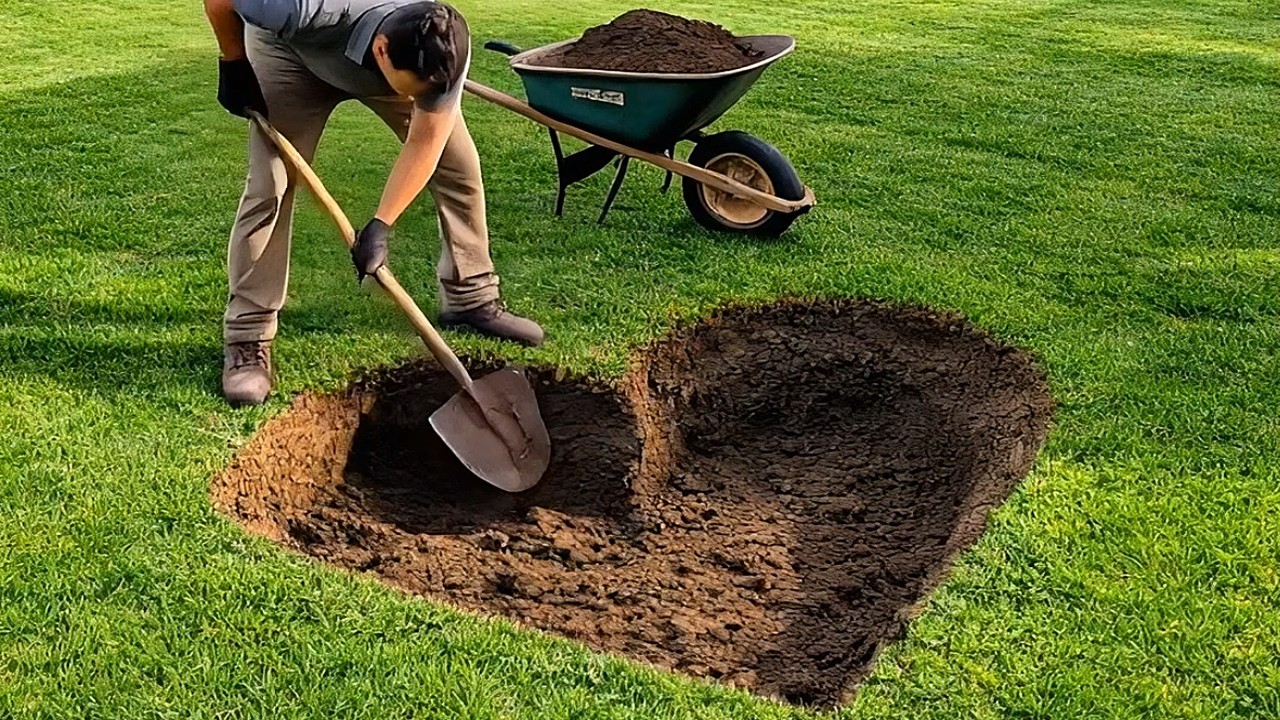
Most pathway failures trace back to base preparation. For lasting curves, the recipe is consistent: excavate to solid subsoil, usually 6 to 8 inches listed below last grade for pavers and 4 to 6 for much heavier flagstone on bedding. In Pasadena's variable soils, you may come across pockets that call for over-excavation and geotextile fabric to bridge soft areas. If the website has expansive clay, think about a thicker base and cement-treated aggregate under patios or heavier traffic zones.
We compact in lifts, normally 2 to 3 passes per lift with a plate compactor, up until we struck 95 percent relative compaction. For natural stone, a 1 to 2 inch layer of bedding sand or fine gravel allows last leveling. For interlocking pavers, we screed bed linen sand consistently and avoid walking on it as we set to prevent dips. Joint stabilization with polymeric sand or a great angular joint stone will lock the system and resist Pasadena's periodic winter downpours.
Curved courses frequently need discrete drains. French drains along the uphill edge, daylighting to a dry well or the street per local code, keep lateral water from softening the base. In older neighborhoods with mature trees, never trench through main roots. Skew the curve to avoid them, or bridge with shallow drains that respect arborist guidance.
Tying the walkway to patio areas and outside rooms
A pathway is choreography, and it needs to sync with the phase. If you are preparing a patio design Ridgeline Outdoor Living can help size the area to suit your furnishings and circulation, then pull a curved walkway in at an angle that feels natural from the home's primary exit. On many Pasadena jobs, we funnel foot traffic to a paver or natural stone patio area that anchors an outdoor cooking area or fire feature.
Pasadena outdoor cooking area concepts typically fixate compact effectiveness. A 7 to 10 foot run with a grill, small prep surface area, and undercounter storage fits many backyards without dominating them. The walkway's curve ought to ease visitors towards the bar seating or into the discussion pit. We avoid intersecting the grill zone straight with the path, both for security and to prevent grease spatter from ruining the paving.
For fire aspects, pick in between an outdoor fireplace and a fire pit installation based upon how you gather. Fireplaces command a focal wall, scale well with Spanish and Mediterranean homes, and reflect heat forward. A curved stone walkway that carefully bows towards the hearth makes the approach feel ceremonious. Fire pits are democratic and social, excellent for circles of 4 to 8. Here, the curve might fan into a circular apron sized to keep seating a minimum of 30 inches from the flame. In windy foothill microclimates, low wind screens or picking a sheltered nook along the curve can keep smoke sensible.
Using retaining walls to shape the path
Slopes make Pasadena landscapes interesting. They likewise require structure. Retaining walls provide the crisp lines and level platforms that set curved pathways off beautifully. The choice of wall product ought to echo your paving. Stone retaining walls connect naturally to flagstone or thicker natural stone pavers. Where budgets favor modular options, creative block retaining walls Pasadena house owners select today include split-face textured units in earth tones that find out more like stone than they did a years ago.
If you need retaining wall installation in Pasadena CA, respect height limits. Anything above 3 to 4 feet frequently triggers engineering, and tiered walls typically carry out much better and feel lighter than a single high face. A retaining wall contractor in Pasadena who understands drainage deserves their cost. Perforated pipe, clean backfill, and weep management will spare you efflorescence and frost-heave lookalikes when winter storms lastly arrive.

Curved walls paired with curved courses create peaceful geometry. Hold a constant balanced out, state 18 to 24 inches, which becomes a planting strip for scent and color. Rosemary prostratus, Salvia clevelandii, and Heuchera flourish in those microclimates, and their foliage texture softens the hardscape's discipline.
Planting buddies that make stone sing
Stone and plants need each other. Along curved stone walkways, think in layers. Nearest the edge, tuck low growers that will not snag ankles or sprawl over the course after two seasons. Dymondia margaretae, sneaking thyme, azul sage, and woolly thyme hold the line elegantly. Step back with knee-high bloomers that play to Pasadena's pollinator traffic, such as yarrow, Verbena bonariensis, and native buckwheats. Anchor the background with shrubs that hold form through summertime heat, like manzanita, coffeeberry, and dwarf olives, and thread in yards for movement.
In shaded areas under camphor or coast live oak, pivot to ferns, lomandra, and iris. Keep watering mindful of mature trees. Drip lines tucked into the planting zones next to the curve, not under the tree's primary canopy, protect root health. Prevent overhead irrigation on stone. It discolorations and cultivates slipperiness, particularly on brick pavers in north exposure.
Lighting that guides without glare
Path lighting along a curve ought to be subtle and rhythmic. Location fixtures at within and outdoors bends to define the line, but prevent a runway look. We go for fixtures that mount low, with guards that obstruct glare from seating locations. On stone actions, integrate tread lights into risers. In gardens with substantial night usage, modest uplights on specimen trees or a textured keeping wall include depth, making the curve an enjoyable journey instead of just a safe one.
LED systems with warm color temperature levels, around 2700 to 3000 Kelvin, flatter stone and plantings. In Pasadena's energy-savvy environment, smart transformers and zoning keep wattage in check and permit seasonal adjustments.
Maintenance realities: keep curves crisp with easy routines
No durable sidewalk is upkeep totally free. Curves remain crisp with seasonal attention. Sweep joint sand back in location where it migrates, top up polymeric sand after numerous years, and area reward weeds early before roots bind in joints. After winter season rains, stroll the course and enjoy how water moves. If you see silt collecting at the within a curve, rake mulch away and confirm the cross-slope. Small changes to surrounding soil frequently spare you from raising and resetting pavers.
Sealers are optional and situational. On concrete pavers near grills, a breathable penetrating sealant withstands grease spots. On natural stone pavers, pick permeating products that do not leave a film. Test on an offcut first. Brick often looks finest unsealed, enabling patina and minor mossing to inform the garden's age.
Cost ranges and where to invest
Budgets vary with website intricacy, material, and gain access to. As broad assistance from recent Pasadena projects:
- Interlocking paver pathways commonly fall in the mid to high double digits per square foot installed, increasing with tight curves that require more cutting and soldier courses. Natural stone pavers usually run greater due to material costs and shaping labor, specifically when using thicker flagstone with open joints. Brick pavers land in between those, with true clay brick priced above concrete lookalikes. Stepping stone on stabilized decomposed granite can reduce expense per square foot of paved area but needs edging and cautious compaction.
Spend where permanence and day-to-day experience fulfill. That typically suggests a robust base, drainage that avoids heave and stain, and edge restraints that hold curves. Stinting those to manage a more pricey veneer is a false economy.
Common errors I see on website visits
Paths that hug your house too securely make facades feel paver patios Pasadena crowded and reflect heat back into windows. Give the pathway room to breathe and use plants to moderate in between wall and stone. Another error is overcurving without a purpose. A gentle S-curve checks out as lyrical. A serpentine every six feet feels picky. Let nearby trees, views, and grade modifications choose the line.
On sloped backyards, I often see actions with irregular risers. Even small variations create journey risks. Keep risers within an eighth of an inch from step to step. Finally, avoid blending too many paving patterns. If you utilize herringbone in brick, let that sing. Include a curved soldier course for emphasis, however do not likewise wedge in a random ashlar patio without a style reason.
Working with a patio contractor or paver specialist
When homeowners look for Ridgeling outdoor living garden pathway ideas, they frequently arrive on mixed guidance. The very best outcomes originate from aligning design intent with installation ability. An experienced patio contractor will mock up the curve in the field with a garden hose or flexible conduit so you can see the sweep at complete scale. They will evaluate the width with furnishings if the path feeds a patio. They will stake heights and pull stringlines that show proper slope, instead of eyeballing.
Ridgeline Outdoor Living paver installation experts follow a predictable but versatile procedure. We start with drainage mapping, then base preparation that matches soil conditions. For walkway installation, we like to set outside edge restraints initially, dry lay a couple of courses to validate the arc, then continue with cuts that vary from quarter to half systems to maintain joint spacing. For natural stone, we trial fit puzzle pieces on a sand bed, change with a little hammer and sculpt, and backfill joints with a mix that respects the chosen planting or joint sand finish.
If retaining walls remain in scope, coordinate wall footings and course base elevations together. Absolutely nothing is more frustrating than a stunning path that ends 2 inches above a wall cap due to the fact that the teams worked from different benchmarks.
Integrating the front walk, side backyard, and backyard loop
Pasadena parcels frequently invite a loop: a front technique that swings to the side yard gate, then threads to a yard patio. Keeping a constant product combination across these zones assists, but the level of finish can step down where traffic and exposure are lower. Use the exact same paver family yet shift to an easier laying pattern in the side lawn to conserve cost. Or release natural stone pavers at the front for gravitas, then run concrete pavers or stepping stones on supported DG along the side where upkeep access and wheelbarrows rule.
At gates, flare the curve out slightly to lower pinch points. Where trash bins travel, skip delicate groundcovers in the joint lines and lean on tight polymeric sand and edge restraints that can shake off a bump.
Accessibility and convenience for all ages
Curves need to be gorgeous and inclusive. Keep cross-slopes mild so movement gadgets track straight. Prevent unexpected width constraints that require awkward maneuvers. If you include steps, integrate them with an alternate sloped path where possible. Handholds can be incorporated as stone cheek walls or low steel rails that double as plant supports. Lighting must fulfill eyes gently, with no blinding hotspots at child height.
For aging in place, target 44 to 48 inch widths on main routes and level landings at door thresholds and grade transitions. Smooth joints and flush edges avoid toe stubs and make sweeping easier.
Sustainability that is more than a buzzword
Stone and pavers can sit within a water smart, climate clever landscape. Choose lighter colored paving in bright exposures to reduce heat gain. Usage permeable interlocking pavers where website conditions and codes enable, paired with a well created subbase that accepts and disperses water. In Pasadena, stormwater capture makes goodwill and sometimes rewards. Along curves, permeable edges that drain into planting swales feed trees and lower runoff.
Source stone responsibly. Numerous quarries publish ecological practices. Locally readily available products cut transportation miles and tie visually to the San Gabriel foothills. Plantings should be best sized to the watering budget. A course lined with locals that grow on deep, irregular watering stays stunning without guilt.
A case from the field: bending a narrow lot into a thoughtful walk
A South Arroyo client had a 1920s cottage set near the street, with a narrow strip in between porch and sidewalk. The existing straight concrete walk made the entry feel abrupt. We lifted it and installed a curved stone pathway in gray quartzite, 42 inches broad, that bowed away from the patio by two to three feet at midspan, then returned. The curve enabled small planting pockets that we filled with dwarf manzanita, blue fescue, and white yarrow. A low stone maintaining wall, 18 inches at its tallest, leveled a small seating pad huge enough for 2 chairs and early morning coffee.
We used the very same stone to cap the wall, then brought a simpler concrete paver in the side backyard where garbage routes required toughness over delicacy. Low path lights on the inside of the curve and a single uplight on a fully grown crape myrtle transformed the night method. 5 years later on, the joint thyme is complete, and the path looks like it was constantly meant to be there. The job cost landed in the upper midrange due to the stonework, however base and drain have actually held perfectly through numerous rainy seasons.
How to begin without missteps
Here is a simple series I suggest when shaping any curved stone pathway, whether you plan to self handle or generate a pro:
- Walk the website at normal pace and mark the preferred line with a hose, adjusting up until the curve feels natural from all common approaches. Confirm grades with a level or laser, preparing for a comfy 1 to 2 percent slope and fixing any actions in short, even risers. Choose products with samples in hand and set them in the lawn at different times of day to see color shifts in genuine light. Map drainage, both surface area and subsurface, so water has a destination that does not undermine the base or flood nearby beds. Obtain bids or a detailed plan from a paver contractor who will define base depth, compaction requirements, edge restraints, and joint treatment.
When your path results in more
A sidewalk task often expands into a larger strategy. If you are weighing the best paver patio styles for Pasadena homes, take a look at how the sidewalk can preview that pattern. A herringbone front path that fans into a running bond patio can feel intentional if the transition lands at a sensible limit. That outdoor patio, in turn, may be the platform for an outdoor kitchen or the hearth zone for a fire pit installation. Keep the vocabulary tight and the moves calm. The landscape will feel larger, and upkeep will be simpler.
Ridgeline Outdoor Living has built a number of these sequences, from modest front walks to complete backyard overhauls. Whether the task starts with walkway installation or a call about a bowing retaining wall, the principles are the exact same. Respect the website, buy the bones, and let product and line do the heavy lifting.
Pasadena's gardens invite meanders. Give them a curved stone sidewalk that matches the invitation, and you will discover yourself taking the long way home, every time.
Business Name: Ridgeline Outdoor Living
Address: 845 E Walnut St, Pasadena, CA 91101, United States
Phone: (626) 469-5822
Ridgeline Outdoor Living
Ridgeline Outdoor Living is a Pasadena-based landscape design-build company serving Greater Los Angeles with custom outdoor living, hardscape, and drought-tolerant landscape solutions. The company specializes in patios, retaining walls, outdoor kitchens, drainage, hillside projects, and turnkey landscape construction, handling projects from design and permitting through final build and warranty.
845 E Walnut St, Pasadena, CA 91101, USA
Business Hours:
- Monday – Saturday: 8:00 AM – 6:00 PM
- Sunday: Closed
Follow Us: