An excellent stone sidewalk feels unavoidable, as if the landscape had it in mind the whole time. In Pasadena, where Mediterranean light sharpens edges and clay soils shift with each dry spell, getting that feeling to last requires more than quite stone. It takes mindful design, mindful base preparation, and products that stand up to both summertime heat and the periodic gully washer. I have reconstructed more paths than I care to admit due to hardscaping guide the fact that someone avoided a step, chose the incorrect paver, or damage the base. When a walkway is done right, it becomes a quiet practice in the garden, assisting you without excitement from driveway to threshold, from patio area to citrus grove, from gate to the very best shade at 4 p.m.
Ridgeline Outdoor Living builds stone walkways and patios throughout Pasadena and the San Gabriel Valley, and the work holds up because the teams are as patient with subgrade compaction as they are fussy about joints. We develop for eye and foot, however we also believe like water. If you are weighing products, questioning upkeep, or choosing whether to combine a course with a little retaining wall or a fire feature, here is what years of patio areas, garden actions, and walkway installation have actually taught us.
Pasadena's setting, and why it matters to a walkway
Pasadena's environment stretches products. Summertime days sit in the 80s to 90s, heat spikes are genuine, and winter season rains show up in bursts that test drain. The soils are typically clayey with spots of decayed granite, and older neighborhoods layer fully grown trees over shallow energy runs. Add the city's mix of Artisan cottages, Spanish Revival homes, and new builds with https://daltonuimx502.trexgame.net/best-landscape-contractor-pasadena-why-ridgeline-outdoor-living-leads-in-hardscape crisp lines, and you end up with varied design languages and useful constraints.
Those conditions point toward a few design truths. Curves that shed water beat straight troughs that collect it. Bases require depth and compaction that matches the traffic, edge restraint need to be real, and joints must be tight sufficient to prevent kicking a toe but open enough to drain. Stone textures that match citrus leaf litter or jacaranda blossoms indicate less noticeable mess. And because Pasadena values architecture, materials for stone walkways need to balance with window mullions, roofing tile, and existing hardscape, not fight them.
Choosing the right product: charm, grip, longevity
There is no single finest stone sidewalk. There is only the best for your architecture, slope, spending plan, and maintenance appetite. We develop with natural stone pavers, interlocking pavers, brick pavers, and high efficiency concrete pavers. Each has trade‑offs worth considering.
Natural stone pavers make their keep through character. Pennsylvania bluestone brings restrained blue gray tones with natural cleft that grips well when moist. Quartzite flashes with mica and checks out lively in brilliant sun. Sandstone warms terracotta roofings and stucco. Travertine feels stylish by a swimming pool but needs sharpened or toppled surfaces for slip resistance, and it prefers a well drained pipes base. Thickness can differ with flagstone, which suggests more time on bedding and correction. Done right, natural stone pavers last years and age with grace. Done improperly, they wobble.
Interlocking pavers provide you crafted efficiency. Their bevels, spacer lugs, and dense concrete mix develop a surface that resists shifting and manages point loads. With polymeric sand in the joints, you get a firm, weed resistant surface that is simple to keep. Shapes vary from slab to classic herringbone rectangles, and textures can mimic split stone or troweled concrete. For sidewalks that need to carry carts, wheelchairs, or periodic car tires, interlocking pavers are difficult to beat.
Brick pavers sit conveniently with Pasadena's Artisan and Spanish Revival homes. Traditional modular sizes in a running bond quietly direct the eye, while a basketweave or herringbone adds energy. Genuine clay brick holds its color because the pigment runs through the unit, not simply on top. It can be set on sand or mortared on a piece. Hosing off brick in August brings that earthy smell that feels right under avocado trees. Brick is slightly softer underfoot than dense concrete, which some customers appreciate.
Concrete pavers have actually become the chameleons of hardscape. Producers have improved pigments and surface area treatments so that a charcoal square with a satin finish can pair with a midcentury home, while a pale limestone lookalike can suit a more formal garden. They rarely spall in Pasadena's moderate winters, and their dimensional consistency speeds installation. Scale them approximately 24 inch formats for a modern look, or pair 6 by 12 rectangles with pebbled joints for an updated classic.
Gravel and stepping stone hybrids can be effective when spending plans are tight or water needs to percolate. We often set big stone pads in a grid with Mexican beach pebble joints where a full hardscape would feel heavy. The trick there is real steel or concrete edging, compacted base under both stone and gravel, and a joint size that will not move under heels.
How a path makes its place in a garden
The best stone walkways understand how individuals actually move. If the mailbox sits beside a thirsty parkway strip and the side gate lines up with the kitchen area, guests will find that diagonal cut throughout the yard regardless of your grand plan. We choose to trace those routines with flour, lay out a momentary tube, and stroll it at different speeds and times of day. Shade at twelve noon is various from shade at 5, and glare off pale stone can surprise you in July.
Width tells a story. A four foot walk lets 2 individuals walk side by side without brushing shrubs. 3 feet works for a garden course that slows you down. For service runs, wheeled trash can want a minimum of 40 inches with clear door swings. If accessibility is part of the picture, target slopes under 5 percent where you can, add landings on steeper runs, and keep joints tight enough that walking canes do not catch.
Curves ought to be made, not doodled. We reduce radii to follow grade or frame views, and we straighten lines near entries to keep a calm technique. On slopes, we step courses with low risers and generous treads instead of press a single pitched plane that seems like a ramp. Lighting belongs at low levels to mark edges, not blast retinas.
Drainage is unnoticeable when it is done right. In Pasadena, a one and a half to two percent crossfall suffices to move water into planting beds or discreet drains pipes. Near house footings, we like to separate the course with a narrow gravel band or channel so splash water does not mark stucco. Where downspouts cross a sidewalk, we sleeve them under the base rather than cutting through the surface area with an apparent grate.
A word on color and texture
Stone color changes the temperature level of an area, actually and visually. Dark pavers absorb heat and radiate it in the evening, which can be a blessing near a spring seating location and a curse near a west dealing with wall in August. Pale stone stays cooler under bare feet however can glare under full sun. Mid tones frequently win for many years round comfort. Seen against Pasadena's plants, blue gray reads elegant with olives, sage, and lavender, while warmer limestone and sandstone play well with bougainvillea, citrus, and terra cotta pots.
Texture is your safety net. Flamed or cleft stone provides grip without sandpapery cruelty. Shot blasted concrete pavers offer subtle tooth. Highly refined surfaces belong inside your home or under a roofing, not on a main garden path. If a swimming pool is part of the plan, test samples damp in late afternoon light. Better to handle that in the lawn now than to relearn it on a hectic Saturday with 10 damp children.
How we construct a pathway that lasts
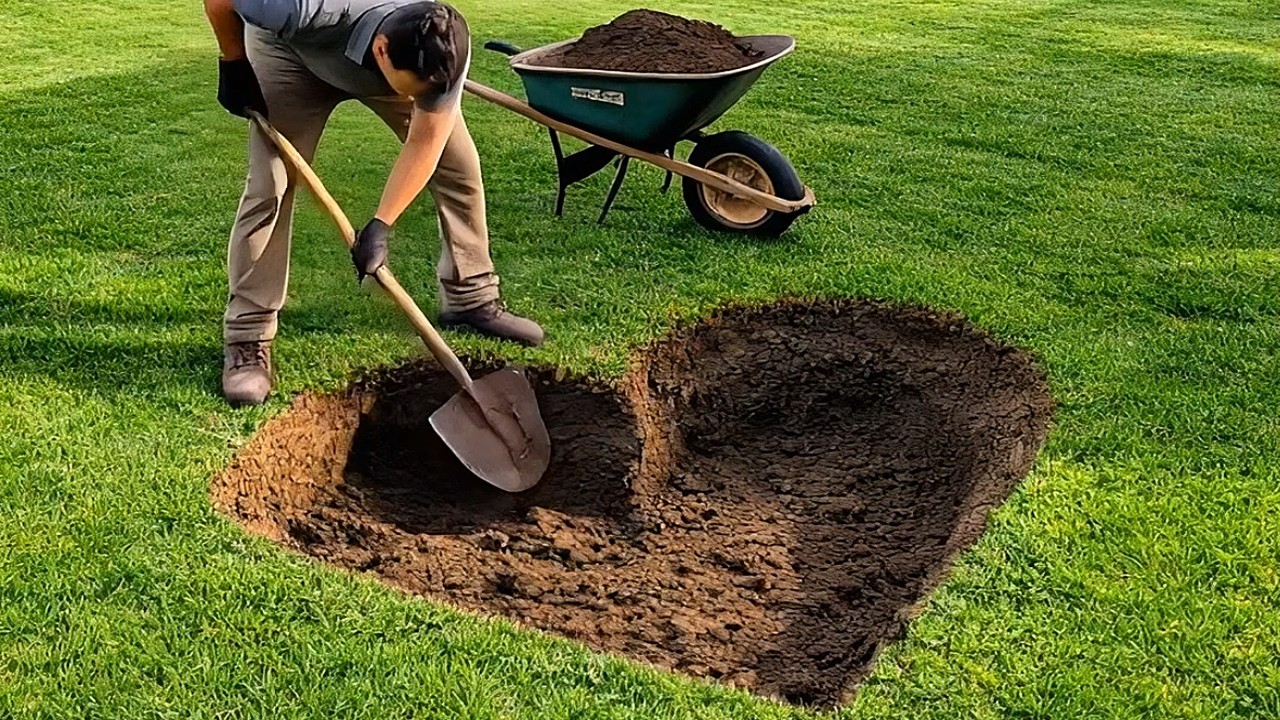
Most failures begin listed below the surface, so we dedicate time there. After we strip organics, we evaluate subgrade and compaction. For common Pasadena soil, we install 4 to 6 inches of Class II road base under pathways, more where loads increase or where clay requires extra stiffness. In tree heavy lots, a geotextile separator keeps fines from going up into the base. We compact in lifts with a plate compactor that reaches 95 percent relative compaction where possible. This is not attractive, but it is what keeps your joints tight 5 summer seasons from now.
Bedding depends on the surface. For interlocking pavers and concrete pavers, we screed a 1 inch layer of sharp angular sand, set systems tight to pattern, and fill joints with polymeric sand. We set up stiff edge restraints or mortared soldier courses at borders to prevent creep. Where natural stone varies in thickness, we butter the underside with a mortar mix on a supported base to attain a flat, drainable aircraft. Joints for natural stone can be swept with stabilized joint sand, installed with versatile joint compounds, or mortared if a monolithic look fits the architecture.
We never ever trap water. Under long runs, small perforated drain lines get low areas and move water to daytime or an approved basin. Near slopes, we key the pathway into the hill cut with compacted base, and we respect the angle of repose so the path does not toe into loose fill. Where roots run shallow, we drift the path slightly and leave room for trunks to grow, picking versatile jointing over stiff mortared seams.
Curing and finishing get perseverance. Mortared work should have a few days of gentle misting in hot weather. Polymeric sands require a tidy, dust‑free surface before activation, then a cautious watering that wicks into joints without flooding. Sealers are optional. On thick concrete pavers, a breathable penetrating sealant can assist with stain resistance and color retention. On some natural stones, we prevent sealants that might darken or create a movie. We evaluate on an offcut first.
Walkways that connect into outdoor patios and outdoor rooms
Rarely is a course alone. It normally links to a patio area, landing, or small plaza. When we deal with patio installation, we design the walkway and terrace as one composition. Low planting pockets soften transitions, and modifications in paving pattern signal a shift from motion to event. If you have actually been collecting Pasadena outdoor kitchen ideas, a walkway ends up being the peaceful spine that connects kitchen area, dining, and herb beds. In a small yard, breaking sightlines with a curve or a narrow planting strip makes the area feel deeper and more layered.
Fire functions offer a course a destination. A compact fire pit installation near the back corner of a lot draws you out at night and encourages conversation far from the house. For clients with stricter ashes and smoke choices, an outdoor fireplace includes verticality, screens views, and carries the very same gravity as a water function. We size hearths and seat walls to be comfortable for real bodies, 16 to 18 inches high, with smooth caps that do not bite the back of the legs. Stone walkways feed these locations with generous width and places to pass without disrupting seated groups.
The exact same goes for patios. The best paver patio styles for Pasadena homes collaborate with the course while shifting scale. A large format field can give way to tighter patterns along the sidewalk, creating a visual taper. Where patios fulfill yards or planters, we information flush edges so mowers and hoses do not chip stone. If your patio design Ridgeline Outdoor Living consists of a pergola or shade sail, we anchor posts in concrete footings that live outside the primary paver field so future repairs do not disturb the surface.
Five patio styles that combine well with Pasadena architecture
- Classic herringbone in clay brick with a soldier course border, ideal for Craftsman bungalows and shaded gardens. Large format limestone look concrete pavers in a running bond, paired with smooth stucco and clean modern-day lines. Natural cleft bluestone in random rectangles, cooled by olive trees and disintegrated granite bands. Warm sandstone pieces with tight joints and planted pockets, matched to Spanish Revival courtyards. Interlocking pavers in a plank format with mixed charcoal tones, suitable for contemporary remodels seeking texture without fuss.
When a keeping wall belongs with a path
Many Pasadena lots tilt just enough to make grading difficult. Little retaining walls flatten entries, calm slopes, and develop raised planters that keep soil off the course. We typically integrate a 24 to 36 inch seat wall with a sidewalk to catch area and include everyday utility. Succeeded, the wall checks out as architecture, not a concession to grade.
Retaining wall setup in Pasadena CA has a couple of rules. Even low walls require correct footing, drainage stone, and a perforated pipe to relieve hydrostatic pressure. Clay soils broaden when damp, so we backfill with totally free draining pipes aggregate, cover it in material, and offer water somewhere to go. For walls beyond 3 to 4 feet, we examine geogrid support, step the wall into the slope, and, if needed, bring in computations. Pasadena's permitting thresholds differ by height and website conditions, so we verify before we dig. A retaining wall contractor in Pasadena who comprehends regional inspectors conserves time and rework.
Materials vary from split face block with textured caps to mortared stone that picks up the combination of your sidewalk. Creative block retaining walls Pasadena customers request often blend modular block for the structure with a stone veneer for heat. Where spending plan enables, real stone retaining walls can feel ageless. Stone retaining walls experts in Pasadena LA earn their title by shaping and pinning systems so the wall reads as a single gesture, not stacked piles. We have constructed hybrid solutions too, with put concrete cores faced in thin stone, that deal with curves gracefully and support steps without fattening the profile.
Maintenance that appreciates time and plants
Stone pathways remain beautiful when they are kept clean and joints remain undamaged. We suggest a yearly mild wash with a fan nozzle to lift dust and leaf tannins, especially under jacarandas and camphors that stain. Polymeric sand joints can last numerous seasons, but heavy irrigation overspray and power cleaning reduce their life. Completing low joints before weeds find daylight is quicker than a full refresh. For mortared joints, watch out for hairline cracks near downspout crossings and repair with suitable mortar to prevent water intrusion.
Trees are worthy of respect. Roots will explore under any walkway that brings wetness and cooler temperature levels. We prepare root paths with looser subgrade near trunks and avoid cutting large roots where possible. If a slab or rigid mortar bed is the only way to attain the appearance, we present controlled joints and sleeves so movement belongs to reveal itself without raising whole panels.

Sealers, if utilized, require renewal based upon direct exposure. In intense, hot courtyards, a penetrating sealant may request for attention every 2 to 3 years. In shaded side lawns, not as frequently. We prevent topical coverings that develop shine, as they can become slippery or peel.
Costs, honestly considered
Budgets vary widely with material, website access, and scope. As a broad variety for Pasadena, a simple interlocking paver pathway with a compressed base and restrained borders might fall in between 25 and 40 dollars per square foot for accessible sites. Natural stone pavers, particularly with varying density that requires hand setting on mortar, normally vary from 45 to 80 dollars per square foot. Complex curves, tight areas that demand hand bring, comprehensive drain, and integrated lighting add to those figures. Retaining walls are generally priced by face foot. A low modular wall with appropriate drainage may start in the 60 to 90 dollar per face foot range, while mortared stone or veneered concrete walls can run higher. We stroll clients through options, including phasing, so the most essential connections get constructed first.
Working with a paver contractor who cares about the quiet details
Credentials matter, but website routines matter more. Ridgeline Outdoor Living paver installation experts appear with plate compactors that match the job, string lines that remain tight, and crews that remedy the base before they fuss with pattern. When we enter a backyard, we look for locations water may wish to run, for low stucco lines that require a splash zone, and for gate swings that will clip a corner if we do not hold a radius tight. We model rush hour with a wheelbarrow, not simply a sketch, and we bring full size stone samples into your garden light before final choices. That is how we avoid surprises.
Clients call us a patio contractor since we deal with more than paths. We handle patio installation, walkway installation, and site functions like lighting, drain, and softscape shifts so the entire outside room sings. As a paver contractor, we back our interlocking pavers, brick pavers, concrete pavers, and natural stone pavers with real guarantees, and we describe what they cover so expectations are lined up. We have constructed enough patio areas to understand which polymeric sands haze and which ones resist ants, which edge restraints hold up in heat, and which patterns conceal dust on a windy day. If you came here looking for Ridgeling outdoor living garden pathway ideas, we will equate inspiration into detailing that performs.
A brief list before we break ground
- Walk your desired route two times at various times of day, noting glare, shade, and tight passes. Confirm clear widths, slopes, and actions versus how you live, not simply code minimums. Test 2 or three stone samples in your real garden light, both dry and wet. Decide early where water goes, from downspouts to landscape drains pipes, and sleeve crossings. Align the sidewalk with existing patio area edges, door thresholds, and planting beds to avoid awkward offsets.
Case notes from current Pasadena projects
On a 1920s Spanish Revival near Orange Grove, the front walk had settled and held a shallow puddle all winter. We raised the stopping working tile, fixed the base with an additional 2 inches of Class II compressed in thin lifts, and installed tumbled travertine pavers with a light sandblast for grip. We separated the course from the stucco with a narrow Mexican beach pebble band that accepts downspout splash and eases the visual weight. The slope now reads mild from the street and drains pipes into a planted swale that carries stormwater to a parkway bioswale.
In Madison Heights, a narrow side backyard linked a brand-new cooking area to a freestanding garage. The owners wanted herbs nearby and a bench in early morning sun. We ran a 3 and a half foot broad interlocking paver walkway in a crisp running bond along your house, then stepped it out into a little outdoor patio sculpted from a former strip of yard. A short block wall with a smooth put cap holds the high side and functions as seating, a fine example of creative block retaining walls Pasadena frequently requires in tight lots. We evaluated energies with rosemary and positioned a little fire pit installation beyond the bench so cool early mornings turned into warm moments.
Up in Linda Vista, an oak shaded slope begged for a course that would not fight the roots. We set big quartzite stepping stones into a supported decomposed granite field with steel edging you hardly notice. The joints breathe, the oak remains delighted, and the household now follows a dappled ribbon to a simple outdoor fireplace balcony with a view of the Arroyo.
Bringing everything together
Stone sidewalks do more than connect points A and B. They rate a garden, turn regular into ritual, and set the tone for how outdoor spaces feel underfoot. In Pasadena, that indicates structure for heat, drain, roots, and architecture. It suggests picking materials that fit your home and the way you live. And it indicates partnering with a group that sweats the base, information the joints, and appreciates the way water, light, and individuals move.
If you are prepared to form a path that feels as if it has constantly belonged, Ridgeline Outdoor Living is here to help. We design and develop stone walkways, outdoor patios, retaining walls, and the outside spaces that make them worth strolling to, with the type of care that pays off in quiet satisfaction year after year.
Business Name: Ridgeline Outdoor Living
Address: 845 E Walnut St, Pasadena, CA 91101, United States
Phone: (626) 469-5822
Ridgeline Outdoor Living
Ridgeline Outdoor Living is a Pasadena-based landscape design-build company serving Greater Los Angeles with custom outdoor living, hardscape, and drought-tolerant landscape solutions. The company specializes in patios, retaining walls, outdoor kitchens, drainage, hillside projects, and turnkey landscape construction, handling projects from design and permitting through final build and warranty.
845 E Walnut St, Pasadena, CA 91101, USA
Business Hours:
- Monday – Saturday: 8:00 AM – 6:00 PM
- Sunday: Closed
Follow Us: